


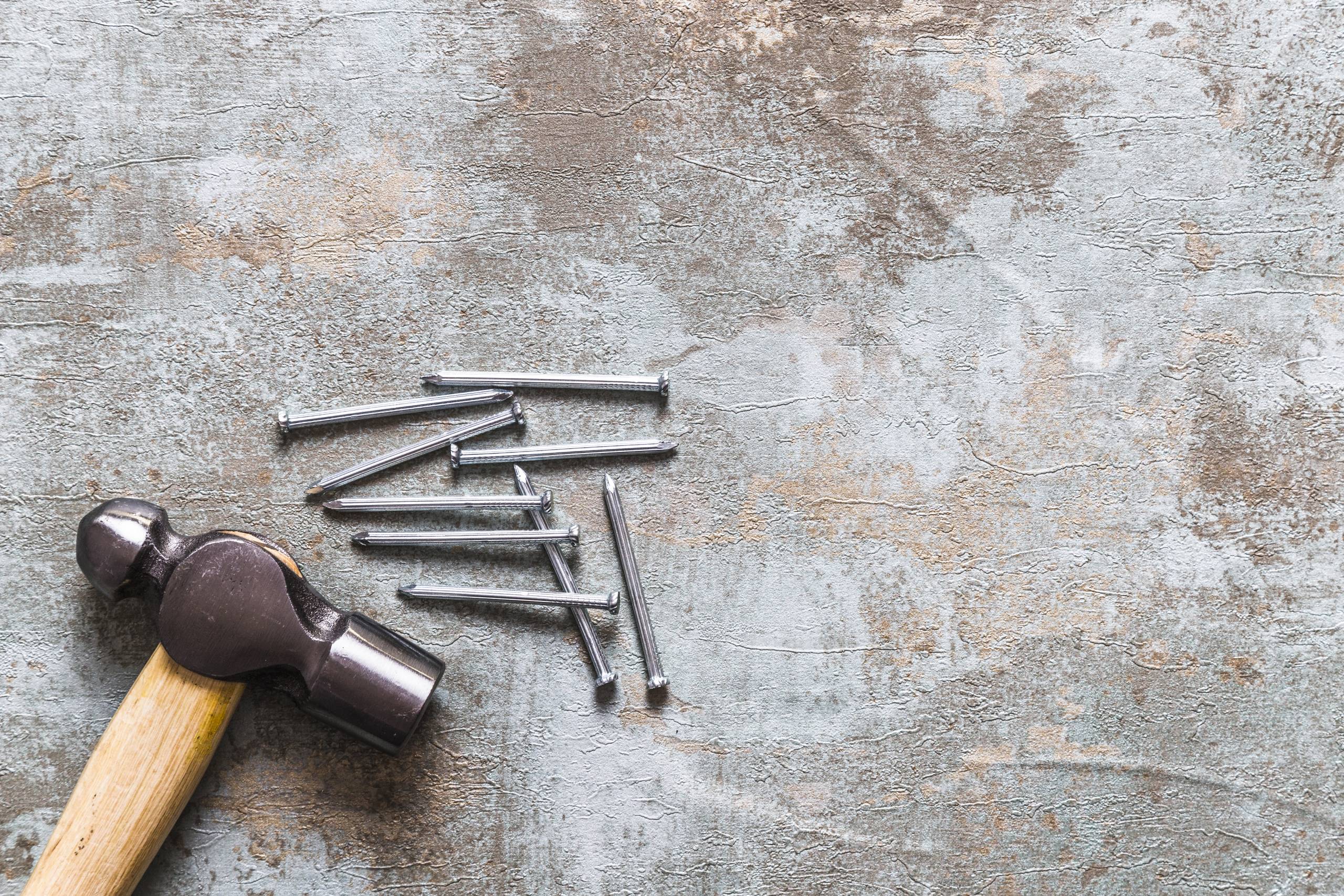
Nail guns are an essential tool that is essential to those working in home improvement, construction, or woodworking. They can make cutting, framing, or finishing tasks quicker and more efficient. When you’re dealing with a nail gun, the kind of nail you choose to use is a significant factor in your tool’s efficiency and performance. Selecting the correct nail for your nail gun ensures you get the most effective results and assures your security. In this article, we’ll look at the various types of nails compatible with multiple nail guns and assist you in selecting the most suitable nail for your requirements.
Types of Nail Guns
Before diving into nail compatibility, knowing the various types of nail guns is essential. Three of the most popular types include:
-
- Framing Nailers: These nails are designed to handle heavy-duty work like framing roof construction and decks. They are constructed with large nails that can drive through rigid materials like wood or metal.
-
- Finish Nailers: Finish nailers are commonly employed for tasks that require less effort, such as fitting trim, moulding or cabinets. They use smaller nails, leaving a less pronounced hole, which makes them ideal for woodworking with a fine finish.
-
- Brad Nailers: They are perfect for jobs requiring a gentle hand, like thin trims or even delicate mouldings. They employ smaller nails than finishing nailers.
-
- Roofing Nailers: Roofing nailers are tools designed to apply nails on roofing materials like shingles. They employ large nails and broadheads that provide the security of roofing projects.
-
- Pin Nailers: Pin nailers are employed for jobs requiring very small and thin nailers, like delicate furniture construction or for attaching tiny trimming parts.
Every type of nail gun is equipped with a certain number of nails. Using the correct nail will ensure optimal efficiency and avoid jams.
Understanding Nail Specifications
If you are choosing the right nails to use with your nail gun, there are many essential details to be considered:
-
- Length: The length of your nail is crucial for the task that you’re doing. The longer nails can penetrate further into the substrate, whereas smaller nails are better suited for tasks requiring light touch.
-
- The gauge of the nail is a reference to the thickness of the nail. A higher gauge indicates the nail is thinner, whereas the lower gauge is incredibly thicker. A 16-gauge finish nailer has larger nails than an 18-gauge brad nailer.
-
- Head style Nail heads are available in various shapes like flat, round, or cut. The style of the head will impact the strength of the nail’s hold as well as the appearance of the finish.
-
- Nails may be made of various materials, including stainless steel and galvanized. Galvanized nails, for example, are typically used in outdoor applications since they can resist corrosion.
Nail Gun compatibility with different Nails
Every nail gun is made to function with certain types of nails. Let’s look at which nail types will work with each kind of nail gun.
1. Framing Nailers
Framing nailers have been specifically designed for demanding tasks that require massive, strong nailers. They typically employ:
-
- The type of nail Type: Framing nails are either full-head or clipped. They provide an excellent hold, whereas clipped-head nails enable the magazine to load more nails.
-
- Länge: Framing nails generally range between 2 inches, 2 and 3 1/2 inches, depending on the type of project.
-
- The gauge of framing nails typically is gauged between 8-10, which makes them thicker than the other varieties of nails.
-
- Material: Steel nails galvanized or stainless are perfect for framing because of their durability and resistance to rust, particularly in outdoor construction.
2. Finish Nailers
Finish nailers use thinner, finer nails, which leave only a small gap and offer an incredibly secure and discreet grip. The most common type of nail used is:
-
- The kind of nail: They tend to be straight-finish nails with straight shafts and an elongated head that is small and flat to give a neat surface.
-
- Länge End nails range from 1-1/2 and 2-1/2 inches long.
-
- Gauge: The two most popular gauges for finishing nails are 16-gauge and 15-gauge. These nails are thicker, offer a more secure hold, and are more durable, whereas the 16-gauge nails are more fine and do less pronounced damage to the nail.
-
- Materials: Steel is widely employed; however, if you’re operating in areas with high moisture, look into stainless steel, as well as galvanized nail finish to ensure durability against corrosion.
3. Brad Nailers
Brad nailers are ideal for creating delicate moulding or trim; their nails are the least used. The most common type of nail used is:
-
- Brad nails are skinny and come with small heads. They are perfect for applications that require light use, where the nail holes do not have to be noticeable.
-
- The length of the nail: Brad’s nails typically range from 1 to 2 inches long.
-
- The gauge: Brad’s nails are usually 18 gauge. This makes the nails thin, which is ideal to work with precision.
-
- Material: The standard brand nails made of steel are suitable in most cases; however, for outdoor work or high humidity, you should consider using galvanized or stainless steel.
4. Roofing Nailers
The roofing nails are enormous and have large heads to anchor roofing shingles and other materials. They are typically used for:
-
- The type of nail: Roof nails are made with a broad head that is round or flat, which is essential for securely securing roofing materials without causing harm to them.
-
- Length: Roof nails are typically between 3/4 and 1-1/4 inches long.
-
- Gauge roofing nails usually have 12 gauge because they must be heavy enough to take on the high-end demands of roofing.
-
- Galvanized nails are essential for roofing projects since they are resistant to corrosion rust and when exposed to elements.
5. Pin Nailers
Pin nailers are made for delicate tasks such as attaching tiny trimmings or furniture parts. The most common uses are:
-
- The type of nail Type of Nail: Pin nails are the smallest nail made and headless, making them perfect for delicate, fine work.
-
- Length: Pin nails range usually between 1/2-inch and 1-3/8 inches long.
-
- Gauge Pin nails are generally 23 gauge, which makes them extremely thin and virtually invisible after usage.
-
- Materials: Steel is usually employed for pin nails; however, stainless steel options can be
found for areas prone to rust.
Tips for Choosing the Right Nails
-
- Make sure to read the manufacturer’s specifications. Nail guns are specifically designed to function with certain types of nails. Always refer to the user’s guide to ensure the nail is compatible and avoid harming your device.
-
- The nail should match the Task: Consider the materials you’ll be working with and the length of nails you need. You may need thicker nails for larger projects, while smaller jobs need smaller ones.
-
- Make use of high-quality nails: using quality nails can help keep out misfires and jams and provide a solid grip, leading to improved project outcomes.
Conclusion
Nail guns will significantly increase your efficiency and the quality of your work. However, utilizing the appropriate nails is vital to get optimal outcomes. You can ensure your nail gun works optimally if you know the various types of nails available to finish, such as framing roofing, brads, and pin nailers. Be sure to check the compatibility of your nails, think about the purpose of your work and make sure you use top-quality nails for the task to be completed correctly the first time.