


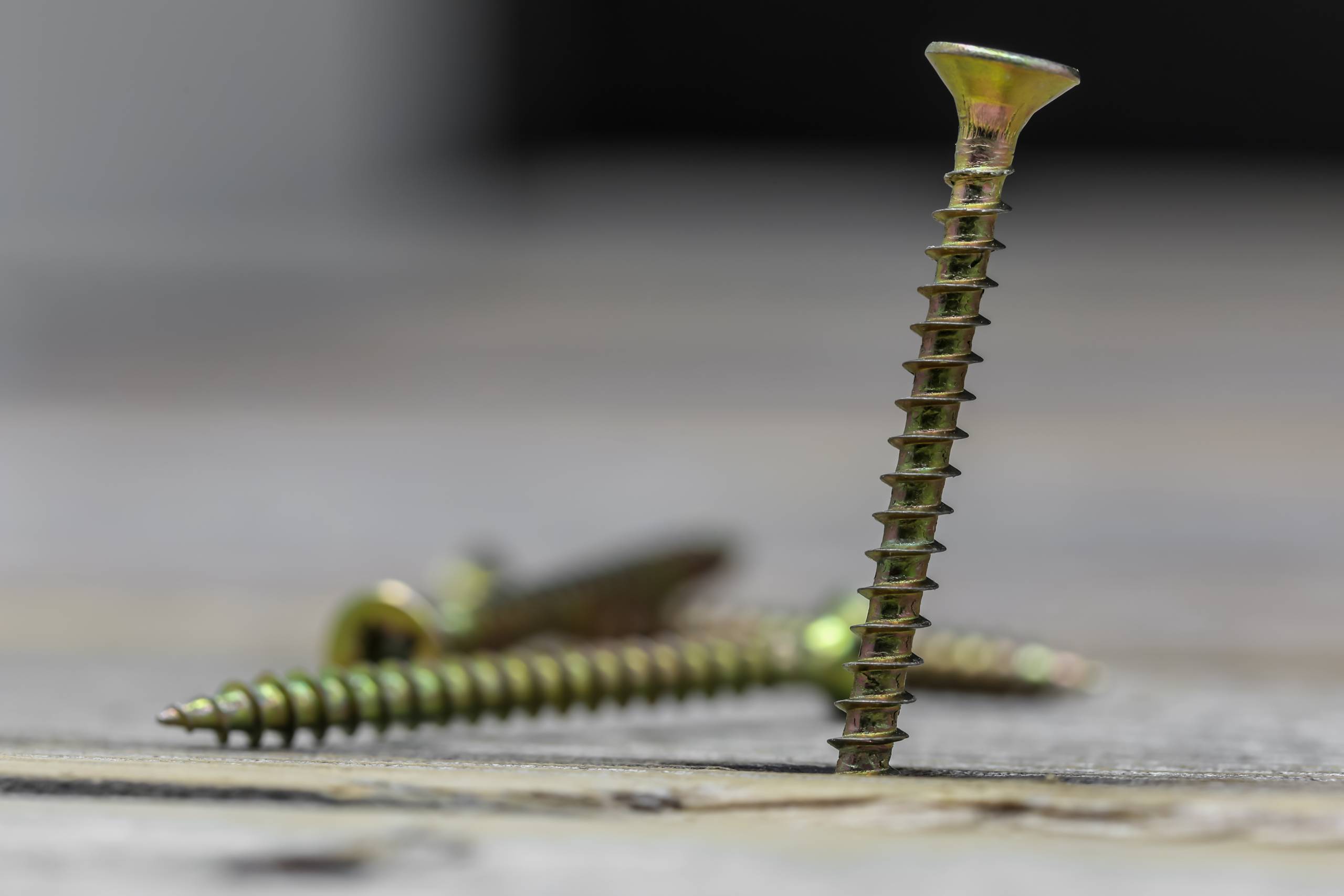
Many contractors and builders attempt to reduce costs by using low-cost materials like nails in the woodworking and construction field. Although cheap nails might appear to be a good option to cut expenses upfront, they can lead to more expensive costs over time due to structural problems, safety issues, and higher maintenance costs.
In this piece, we’ll examine the hidden costs associated with using cheap nails and why buying high-quality nailers is the best financial choice.
Cheap Nails Compromise Structural Integrity
The Problem:
The cheap nails tend to be constructed from weak materials and aren’t durable enough. They can break, bend, or become corroded over time, leading to weaknesses in the structural structure of a project.
The Consequences:
-
- Weakened connections in framing, decking, or roofing.
-
- There is a greater risk of floating boards in alignment, misalignment, or even total loss in wood constructions.
-
- The reduced life span of structures or furniture requires periodic repair or replacement.
The Long-Term Cost:
The money is spent on fixes or reinforcements and replacing them as nail nails are damaged by stress.
Solution:
Make sure you purchase high-quality steel galvanized or stainless steel nails to ensure the nails are durable and stable.
Corrosion Leads to Costly Repairs
The Problem:
Lacking adequate coatings or materials that resist corrosion. In the event of exposure to moisture, nails can rust quickly and weaken.
The Consequences:
-
- Rusting nails weaken over time, causing loose joints and unstable structures.
-
- The staining of wood because of rust can lead to the appearance of an unsightly or worn finish.
-
- The risk of water destruction and decay in wood constructions increases because of weakening fasteners.
The Long-Term Cost:
The cost of replacing rusty nails and the items they destroy is often more costly compared to investing in nails that are rust-resistant in the beginning.
Solution:
Use galvanized stainless steel or coated nails for work subject to humidity or outdoor circumstances.
Poor Holding Power Increases Safety Risks
The Problem:
Cheap nails are usually made using inferior metal alloys that don’t have the required strength to hold materials in place. They could:
-
- They are made of abrasive shanks, which can bend readily.
-
- Inability to grasp or penetrate the wood properly.
-
- Over time, holding power decreases and leads to structural instability.
The Consequences:
-
- Risk of injuries like sagging stairs, faulty furniture, or collapsed structures.
-
- Greater risk of liability to business owners or contractors if accidents result from defective construction.
-
- Wear and tear is more significant on the connected material, which leads to the rapid deterioration of the overall structure.
The Long-Term Cost:
Possible legal action, claims for liability, and expensive repairs resulting from accidents or structural flaws.
Solution:
Choose high-tensile-strength nails designed for specific applications, ensuring they maintain strong holding power.
Cheap Nails Reduce Work Efficiency
The Problem:
Low-cost nails often have manufacturing defects such as:
-
- Inconsistent sizes make nail driving difficult.
-
- Rough surfaces that block nail guns or boost the hammering force.
-
- Brittle metal that breaks during installation, causing delays.
The Consequences:
-
- It took a long time to remove and replace broken or bent nails.
-
- Labor costs are higher due to inadequate efficiency in the installation process.
-
- A rise in frustration among workers leads to slow project completion.
The Long-Term Cost:
An undertaking that takes longer to complete can result in higher labor costs and reduce revenue due to the work completed.
Solution:
Choose nails made by reputable companies that guarantee product quality and high performance.
Frequent Replacements and Maintenance Increase Costs
The Problem:
Cheap nails break more quickly and require frequent replacements when compared with high-end alternatives.
The Consequences:
-
- Ongoing maintenance costs to fix deteriorating structures.
-
- There is a need for regular nail purchases, which leads to excess waste and cost.
-
- Injuries to expensive material (like hardwood) due to nails that are loose or nail rust.
The Long-Term Cost:
Repetition of buying and changing inferior nails can result in more costs over time than purchasing premium nail products at the beginning.
Solution:
Choose long-lasting, sturdy nails that require minimal maintenance to ensure long-term savings.
Investing in High-Quality Nails: A Cost-Effective Choice
Key Benefits of Quality Nails:
-
- Improved structural integrity and a reduction in the requirement for repair.
-
- Higher corrosion resistance, preventing rust damage.
-
- More grip for longer-term stability and security.
-
- More efficient installation, lowering labor costs.
-
- Long-term cost savings, eliminating frequent replacements.
Although premium nails can be more expensive initially, they will save on costs over time because they reduce repair costs, work hours, and material waste.
Considering the cost beyond what you initially pay for a quality nail will ensure a sturdy, lasting, secure, and safe installation. Instead of picking the most affordable alternative, think about longevity, reliability, and efficiency to prevent unnecessary expenses.
When you invest in top-quality nails, you will be able to protect your building projects, your budget, and your name for a long time to follow.